
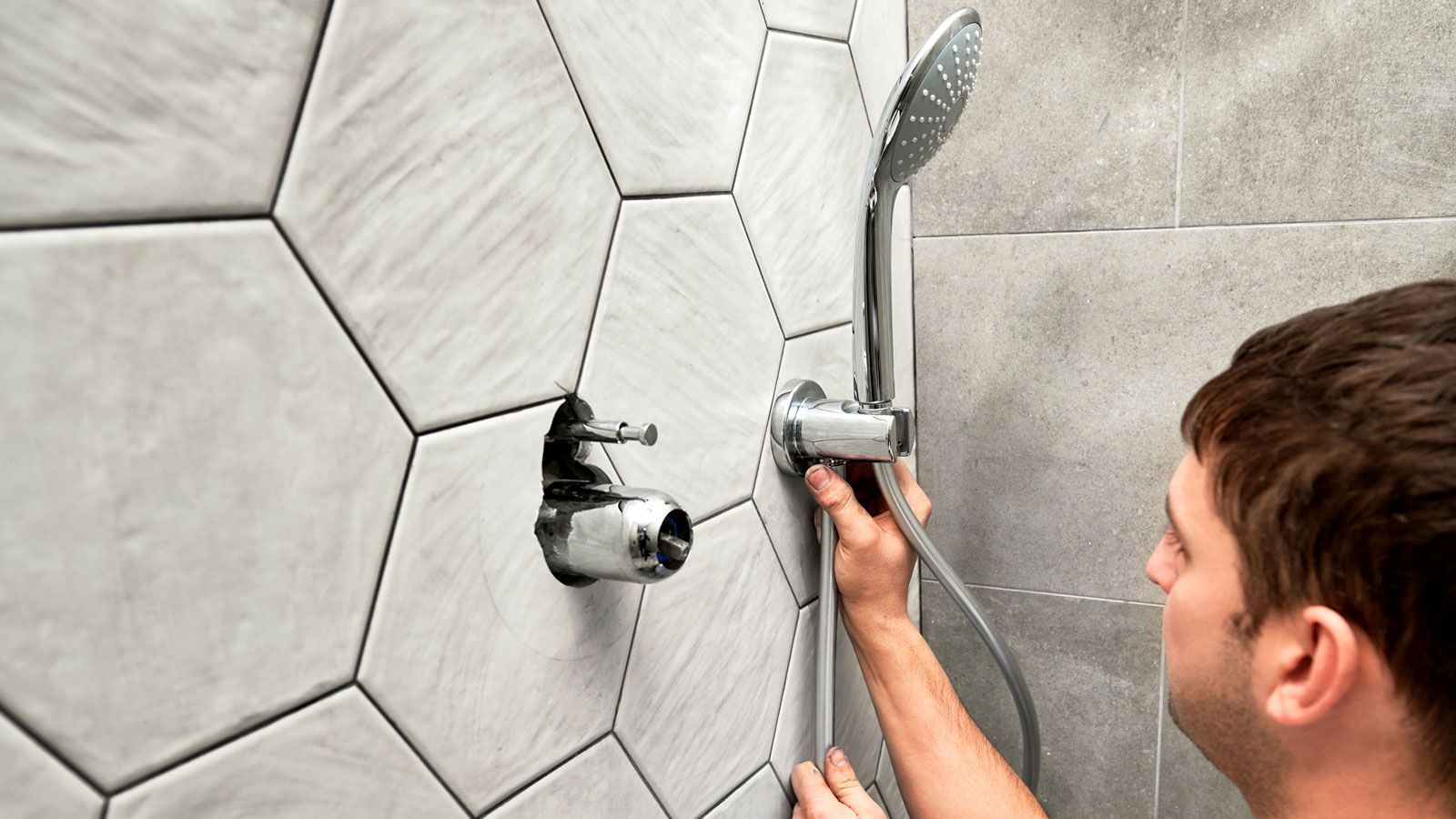
A leaky shower is more than just an inconvenience. If left unresolved, it can turn into structural damage and mold infestations. So, if the drainage situation persists, you should probably consider a shower upgrade service. The technicians start by renewing the waterproofing, followed by installing new cartridges to prevent drips. Wider drainage channels prevent flooding, and a new enclosure helps keep water contained within the shower area. If you’re curious about how a shower installation protects your bathroom, read this blog by JC Tiling And Bathroom Remodeling.
How Does A New Shower Installation Stop Recurring Leaks?
Ongoing bathroom leakage is often caused by problems that cannot be solved with simple surface repairs. Damaged pipes, deteriorated waterproofing, worn valves, cracked shower bases, and failed seals can allow water to reach areas beneath the shower. A properly planned shower installation provides an opportunity to inspect these components and address underlying problems before the new system is completed.
Instead of repeatedly repairing visible leaks, professionals can examine the shower assembly, identify vulnerable areas, and replace components that are no longer performing properly. This approach can help reduce recurring moisture problems and provide a more dependable shower system.
Modern Shower Features For Better Water Control
A properly planned shower installation can improve the way water moves through the bathroom while reducing common leakage points. Updated fixtures, properly sealed connections, improved drainage, and water-resistant materials work together to keep moisture where it belongs. These improvements can also make the shower easier to use and maintain while giving the bathroom a cleaner, more updated appearance.
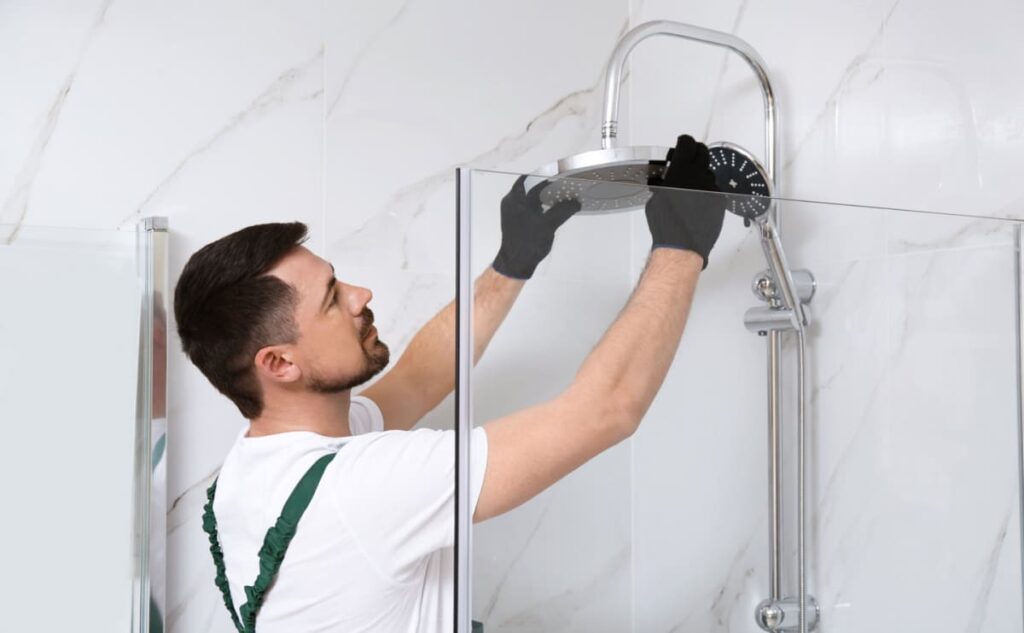
Key Shower Installation Upgrades For Leak Prevention
A professional installation can address several areas that commonly contribute to ongoing bathroom moisture problems:
- Waterproof shower membranes
- Properly sealed shower joints
- Updated valves and cartridges
- Improved shower base installation
- Correct drainage slope
- Wider or upgraded drain systems
- Durable gaskets and seals
- Properly sealed corners and edges
These upgrades become especially important when recurring leaks are connected to hidden plumbing, waterproofing, or drainage problems. A complete shower remodel allows these areas to be inspected and improved together.
Shower Drainage And Waterproofing For Better Leak Protection
A properly designed shower needs both effective drainage and reliable waterproofing. The floor slope should direct water toward the drain, while the waterproofing system helps prevent moisture from reaching the structure below. Drain placement, slope, and waterproofing also need to work together during installation to reduce pooling and potential leakage.
Key Steps Involved In The Shower Installation Process
A complete shower installation involves several stages that work together to control water flow and protect the bathroom from moisture:
- Inspecting and preparing the shower area
- Checking the subfloor and plumbing connections
- Positioning and connecting the shower drain
- Creating the proper slope toward the drain
- Installing the shower pan or base
- Applying the waterproofing membrane
- Sealing corners, joints, and drain connections
- Installing shower walls and tile surfaces
- Fitting fixtures, valves, and other components
- Checking drainage and waterproofing before completion
How Shower Remodeling Fixes Hidden Leaks And Drainage Problems
Are you tired of mopping up the bathroom floor after every shower? If regular plumbing repairs didn’t help fix the problem, perhaps it’s time for a bathroom upgrade service. When residential shower installation contractors arrive at your property, they strip the old shower or bathtub away down to the pipe lines. This allows them to scan and repair all the damaged components, making upgrades to the shower setup to stop future moisture damage.
Inspection & Repairs
Whether it’s a tub to shower conversion or you’re simply replacing an outdated shower, the contractors will start by tearing down the old fixture down to the pipelines. This allows them to examine and replace worn, corroded, or otherwise damaged components.
A thorough inspection is important because some leaks originate behind walls, beneath the shower base, or around plumbing connections where they cannot be identified through a simple visual check.
Pipe Replacements
If your pipes are old, they may become corroded, cracked, or damaged over time. Leaking plumbing can allow moisture to reach framing and other surrounding materials.
During the renovation, damaged sections can be replaced with suitable plumbing components. Addressing these problems before the new shower is installed can help reduce the chance of recurring leaks.
Valve Assembly Upgrade
Old valves and cartridges can develop leaks, especially when internal components become worn. A shower remodel provides an opportunity to replace outdated valve assemblies with modern components.
A properly installed valve helps control water flow and temperature while reducing dripping caused by worn internal parts.
Membrane Replacements
Waterproofing is one of the most important parts of a shower system. Older backerboards or failed waterproofing materials can allow moisture to reach the wall structure behind the tile.
During a renovation, damaged waterproofing can be removed and replaced with an appropriate waterproofing system. This creates an additional barrier that helps protect the underlying structure from moisture.
Caulking & Grouting
Tile and grout alone should not be treated as the only waterproofing system in a shower. Joints around corners, fixtures, and changes in materials require appropriate sealing.
Fresh grout and sanitary-grade sealant can help close vulnerable joints and reduce the chance of water entering gaps around the shower assembly.
Replaces Cracked Shower Base
A cracked shower base can allow water to escape below the shower and may contribute to moisture damage. If the base is damaged beyond practical repair, replacing it can help restore the integrity of the shower floor.
The replacement base should be properly fitted and supported so that it remains stable during regular use.
Secures Base
Understandably, a pan that doesn’t sit just right on the floor bends, shifts and damages the seal. So, when you book a custom shower installation in Temple, TX, the team makes sure that the mortar or base sits perfectly snug; thereby preventing floor leaks.
Slope Correction
Poor slope is a common cause of standing water. The shower floor needs to direct water toward the drain instead of allowing it to collect in low areas.
Correcting the slope during a renovation can improve drainage and reduce the amount of water remaining on the shower floor after use.
High Capacity Drains
A drainage system that cannot handle the amount of water produced by the shower may allow water to accumulate. Upgrading the drain can improve the rate at which water leaves the shower area.
The appropriate drain size and configuration depend on the shower design, plumbing system, and local requirements.
Upgrades Gaskets
Drain connections use seals and gaskets to help prevent water from escaping around plumbing joints. Over time, these components can deteriorate and lose their effectiveness.
Replacing worn gaskets during a shower renovation can help protect the area beneath the drain and reduce the possibility of moisture reaching the subfloor.
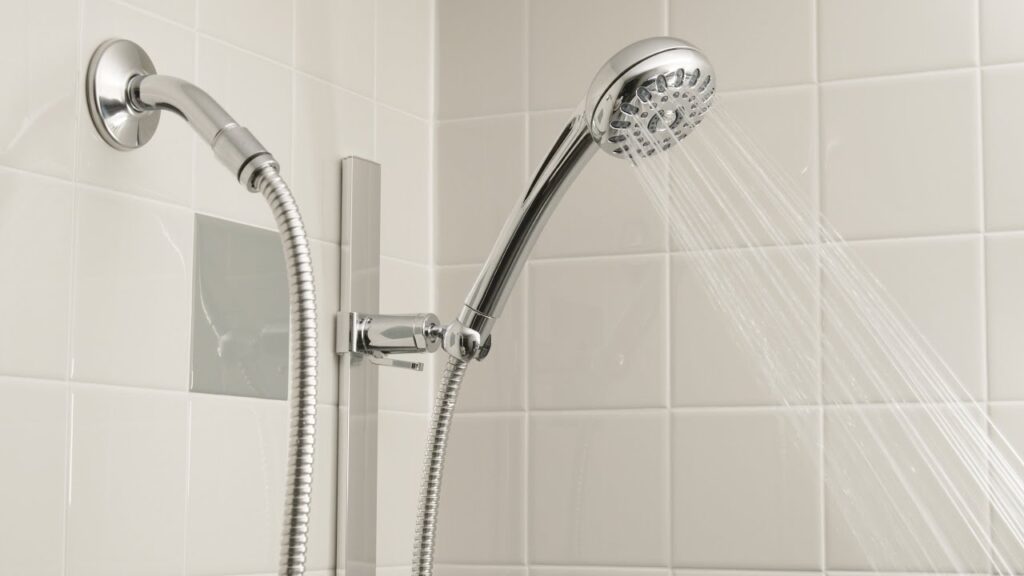
What Bathroom Problems Can A New Shower Solve?
A complete shower upgrade can address several problems at the same time instead of treating each symptom separately. Depending on the condition of the existing system, renovation may help with:
- Recurring water leaks
- Standing water
- Poor drainage
- Cracked shower bases
- Worn valves
- Damaged waterproofing
- Deteriorated grout
- Failed seals
- Outdated plumbing connections
- Water escaping around the enclosure
Addressing multiple components together can create a more reliable shower and reduce the need for repeated repairs.
Conclusion
A new shower installation can do more than improve the appearance of a bathroom. By addressing damaged plumbing, worn valves, failed waterproofing, cracked shower bases, poor floor slope, and drainage problems, homeowners can tackle the underlying causes of recurring leaks and standing water. Properly connected drains, effective waterproofing, and correct shower-floor slope help direct water toward the drain while protecting the surrounding structure from moisture.
At JC Tiling And Bathroom Remodeling, we help homeowners improve outdated and problematic shower systems with solutions focused on better water control, drainage, and moisture protection. A carefully planned shower upgrade can provide a more dependable and functional bathroom while reducing the risk of recurring water-related problems.
FAQs
1. How can shower installation help prevent bathroom leaks?
A properly installed shower can address damaged plumbing, waterproofing, seals, and connections that contribute to recurring leaks.
2. Can a new shower improve poor drainage?
Yes. Correct floor slope and a properly fitted drain help direct water toward the drain and reduce standing water.
3. How long does a shower installation take?
The timeframe varies depending on the shower size, plumbing work, waterproofing, materials, and project complexity.
4. When should a shower base be replaced?
A shower base may need replacement when it has significant cracks, movement, visible leakage, or drainage problems.
5. How can I check a new shower for leaks?
A flood test can help identify waterproofing or drainage leaks before the shower is fully finished.